
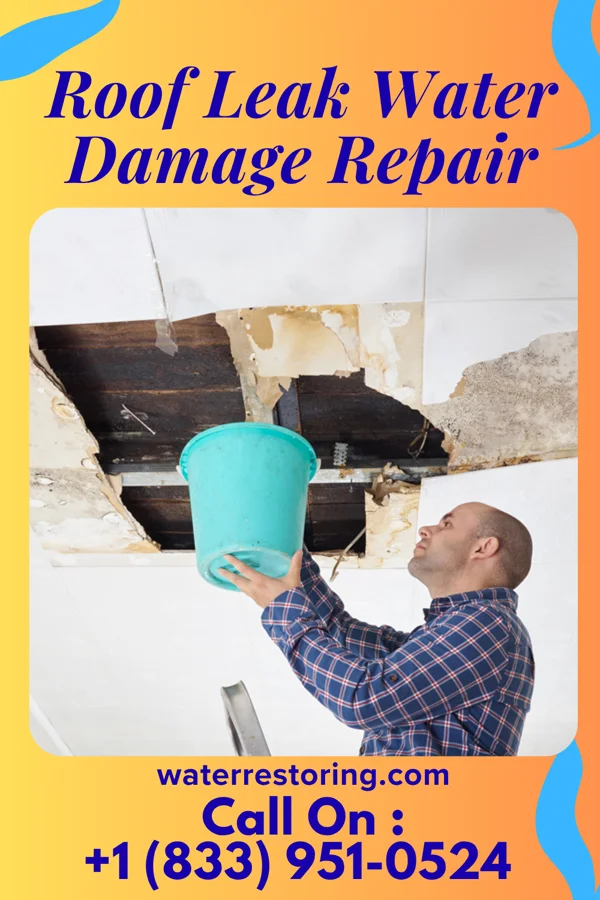
Common Roof Leak Causes in Hodges
Most roof leak water damage repair calls in Hodges come from Hodges, South Carolina experiences frequent thunderstorms and heavy rainfall, particularly during the late spring and summer months. These weather patterns can lead to sudden roof leaks and water damage, especially in older homes with asphalt shingle roofs. The region's humid climate also increases the risk of water infiltration through damaged or deteriorated roofing materials.. A close second is The area is prone to high humidity and occasional severe weather events, including tornadoes and hail, which can cause significant roof damage. These conditions create a perfect environment for water to seep into homes, leading to mold growth and structural issues if not addressed promptly.. If you know what is about to happen, the decisions during the first 48 hours get a lot easier.
Hodges' climate, characterized by high humidity and frequent precipitation, contributes to rapid water damage and mold growth. This is especially true for homes with older or poorly maintained roofing systems, which can lead to costly repairs if not addressed quickly.
Most roof leak water damage repair calls in Hodges come from Hodges, South Carolina experiences frequent thunderstorms and heavy rainfall, particularly during the late spring and summer months. These weather patterns can lead to sudden roof leaks and water damage, especially in older homes with asphalt shingle roofs. The region's humid climate also increases the risk of water infiltration through damaged or deteriorated roofing materials.. Running a close second is The area is prone to high humidity and occasional severe weather events, including tornadoes and hail, which can cause significant roof damage. These conditions create a perfect environment for water to seep into homes, leading to mold growth and structural issues if not addressed promptly.. Local mold risk: In Hodges, mold can develop within 48 hours of water exposure, especially in the humid climate. This rapid growth can lead to secondary damage, including damaged insulation, wood rot, and compromised indoor air quality if not addressed quickly.